
The Concept of Luck in Gambling
Luck is often heralded as the primary force behind winning in gambling scenarios. Many players believe that their fortunes rise and fall solely based on luck, a notion that permeates popular culture and the gaming industry alike. This belief can lead to an almost superstitious attitude, where players engage in rituals or strategies they feel will enhance their luck, such as trying their hand at online pokies or other games. However, it’s essential to understand that luck is an abstract concept, often described as random chance, not a reliable factor in predicting outcomes. This nuanced understanding can help players approach their gaming experiences with a clearer mindset.
Interestingly, luck is not evenly distributed; while some may experience streaks of good fortune, others may find themselves on the opposite end. This randomness can create the illusion of luck favoring certain players, yet statistically, the odds remain constant regardless of individual experiences. Gamblers should thus be cautious in attributing their successes or failures solely to luck, as this perception can obscure the nuances of probability and strategy involved in various games. By recognizing that luck is just one aspect of the gambling experience, players can better appreciate the role of skill and strategy.
The myths surrounding luck can lead to problematic gambling behavior, as players might chase losses in hopes of regaining their “lucky streak.” This can spiral into a cycle of gambling that may not only deplete financial resources but also impact emotional well-being. Understanding luck as a mere illusion can empower individuals to approach gambling with a more rational mindset, focusing on strategy rather than superstition. Setting realistic expectations based on a clear understanding of the odds can help mitigate the emotional highs and lows that often accompany gambling activities.
The Role of Skill in Gambling
While luck is a significant factor in many gambling experiences, skill plays an equally crucial role in determining the outcome of certain games. Games like poker or blackjack, for instance, require a deep understanding of strategy, probabilities, and human psychology. A skilled player can consistently outperform less experienced opponents, regardless of the random elements inherent in the game. This highlights the importance of education and practice in gambling, where developing skill can lead to more favorable outcomes over time. Engaging in practice sessions and studying strategies can significantly enhance a player’s performance.
Moreover, skilled players understand the odds and how they fluctuate based on different playing conditions. This knowledge allows them to make informed decisions that maximize their potential for winning. For example, knowing when to hit or stand in blackjack can significantly impact the game, whereas relying solely on lucky number choices in a slot machine does not offer the same strategic opportunity. Therefore, players who invest time in honing their skills often find that they can counterbalance randomness with informed decisions, leading to a more rewarding gambling experience.

Additionally, the psychological element of skill is vitally important. A player’s mindset can influence their performance in ways that mere luck cannot. Approaching a game with confidence, maintaining composure during high-pressure situations, and learning to read opponents are all aspects of skill that can lead to more consistent success. By recognizing the substantial impact of skill, gamblers can shift their focus from mere luck to mastering the art of gaming, making for a more fulfilling experience. The combination of strategy and skill can transform a player’s approach to gambling, making it less about luck and more about informed decision-making.
The Impact of Superstitions in Gambling
Superstitions are an undeniable part of the gambling culture, with many players holding on to various beliefs that they think may influence their luck. From wearing specific clothing to carrying lucky charms, these rituals are often passed down through generations. While these behaviors may provide a sense of comfort or control, they do not statistically correlate with winning outcomes. The reliance on superstition can often be more about psychology than tangible impact on results. Recognizing the psychological comfort that these superstitions provide can help players understand their own motivations while gambling.
For instance, players might believe that certain numbers or colors bring them luck, leading them to make choices based solely on these beliefs rather than logical reasoning. This can skew their decision-making process and detract from the strategic aspects of play. Research indicates that players who engage in superstitious behavior may be experiencing a placebo effect; they believe they are more likely to win, which can alter their emotional state and decision-making capacity but does not change the mathematical reality of the game. Awareness of these psychological influences can help gamblers make more rational choices.
Moreover, superstitions can lead to irrational behaviors, such as gambling more money in hopes that luck will turn in their favor. This kind of gambling can lead to financial strain, as individuals may chase their losses by relying on luck instead of employing sound strategies. As tempting as it may be to cling to these beliefs, it is crucial for gamblers to recognize the irrationality of superstitions and to ground their expectations in reality rather than fantasy. By understanding the psychological aspects of gambling, players can better navigate their experiences and make decisions that align with their goals.
The Myths of Hot and Cold Streaks
The idea of hot and cold streaks is another popular myth in gambling, where players believe that certain games or machines go through phases of being “hot” (paying out frequently) or “cold” (rarely paying out). This belief can lead to the fallacy that a player can decipher patterns in random events, which is fundamentally flawed. Each spin of a slot machine or dealt hand of cards is statistically independent of previous outcomes, meaning every moment is a new opportunity with the same odds as before. Understanding the independence of outcomes is crucial for players hoping to gamble responsibly.
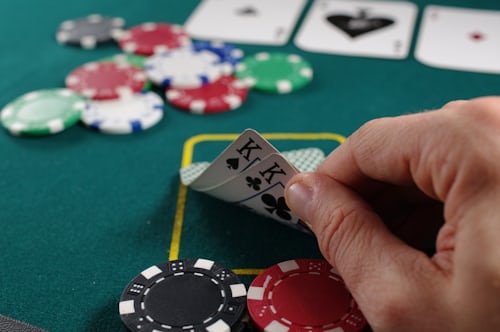
This myth has significant implications for gamblers, as individuals may waste time and money pursuing the elusive “hot” machine or game. The truth is that all outcomes in games of chance are determined by random number generators or shuffling algorithms, ensuring fairness but also making the idea of streaks completely unfounded. The best approach for players is to adopt a mindset that focuses on understanding the odds rather than searching for patterns that simply do not exist. This can lead to more informed decisions and a healthier approach to gambling.
Furthermore, chasing hot streaks can lead to significant financial risks, as players may bet larger amounts in the hope that their luck will continue. Conversely, when a player experiences a cold streak, they might misinterpret this as a sign to quit altogether, missing out on future opportunities that could lead to wins. Recognizing the myth of streaks can help players make more rational choices and maintain a healthy relationship with gambling. By focusing on the odds and probabilities, players can enjoy their gaming experiences without falling prey to the allure of mythical patterns.
Understanding Gambling Dynamics and Responsible Gaming
Ultimately, unraveling the myths of luck in gambling requires a deeper understanding of the dynamics of gambling as a whole. Knowledge of odds, probability, and game mechanics empowers players to approach their gaming experiences with greater awareness. This understanding is foundational in shifting the perception of luck from a dominating force to a minor element within a larger system of strategic decision-making. By prioritizing education and strategy, players can enhance their overall experience and enjoyment of gambling.
For those seeking to enjoy gambling responsibly, it’s vital to create boundaries and recognize the potential for addiction. Awareness of the role of luck and skill can help individuals navigate their gaming experiences with a balanced approach. Utilizing budgeting strategies, setting win and loss limits, and keeping a clear perspective on the purpose of gambling—as entertainment rather than a means to generate income—are all crucial elements for responsible gaming. Establishing these boundaries can help prevent problematic behaviors and promote a healthier gambling environment.
As your exploration into the world of gambling continues, it’s essential to remember that knowledge is your most reliable ally. Whether you’re a novice or an experienced player, understanding the myths surrounding luck and embracing strategic thinking can enhance your gambling experience while ensuring it remains a fun and safe endeavor. As you engage in your gaming pursuits, let knowledge guide your decisions and enjoy the thrill responsibly. By fostering a mindset rooted in understanding and strategy, players can navigate the complexities of gambling while minimizing risks.