
The Role of Luck in Gambling
Luck is often considered the defining factor in gambling, particularly in settings like casinos where randomness prevails. Many patrons walk through the doors believing that fortune favors them today, investing their hopes and wallets into games of chance. The thrill of rolling dice, spinning a wheel, or drawing cards hinges on the unpredictability inherent in these games, which leads to the widespread belief that luck is the ultimate player in determining success. Additionally, factors such as a reliable crypto casino instant withdrawal system can enhance the excitement for players. This allure of luck is what draws countless visitors to casinos, hoping that they will be the next one to hit it big.
However, the concept of luck in gambling is multifaceted. Some may argue that luck is purely a random occurrence, while others contend that it can be influenced by behavior, rituals, and even the environment. Superstitions abound in casinos—players may carry lucky charms or choose specific seats in a gaming hall, convinced that their actions can sway the winds of fortune in their favor. This psychological element contributes to the atmosphere of casinos, where luck feels tangible and immediate, although its actual influence remains debatable. Such beliefs can create a sense of control for players, even when the odds are entirely against them.
Furthermore, the idea of luck intersects intriguingly with mathematical probability. In games such as roulette or slot machines, players engage with odds that are statistically defined, often unaware that the house edge guarantees the casino’s long-term profitability. This reality suggests that while individual instances of success may seem like a stroke of luck, they do not negate the prevailing odds that favor the establishment. The outcome may appear random, but it’s grounded in calculations that diminish the role of luck over time. Ultimately, understanding the mathematical foundation behind these games can help players navigate the casino landscape with a more informed perspective.
Skill vs. Luck: A Balancing Act
The debate between luck and skill in gambling is ongoing and nuanced. In some games, such as poker, players employ strategies based on skill, psychology, and an understanding of probability to outmaneuver their opponents. A skilled player can consistently outperform a novice, demonstrating that skill is crucial in specific contexts. Yet, luck still plays a significant role, especially during critical hands where the turn of a card can dramatically change the outcome. This duality reveals that while players can exert control through strategy, the unpredictability of chance remains a formidable opponent.
Conversely, in purely chance-based games like slots or roulette, skill takes a backseat. Here, no amount of strategy or insight can influence the outcome, underscoring a reliance on luck. Yet, skilled gamblers may further their success by choosing favorable games with better odds or understanding payout structures. This demonstrates that while the outcome may be dictated by chance, informed decisions can enhance the overall experience and potential for success. Players who recognize the strengths and limitations of their skills tend to approach gambling more strategically, balancing their hopes with realistic expectations.
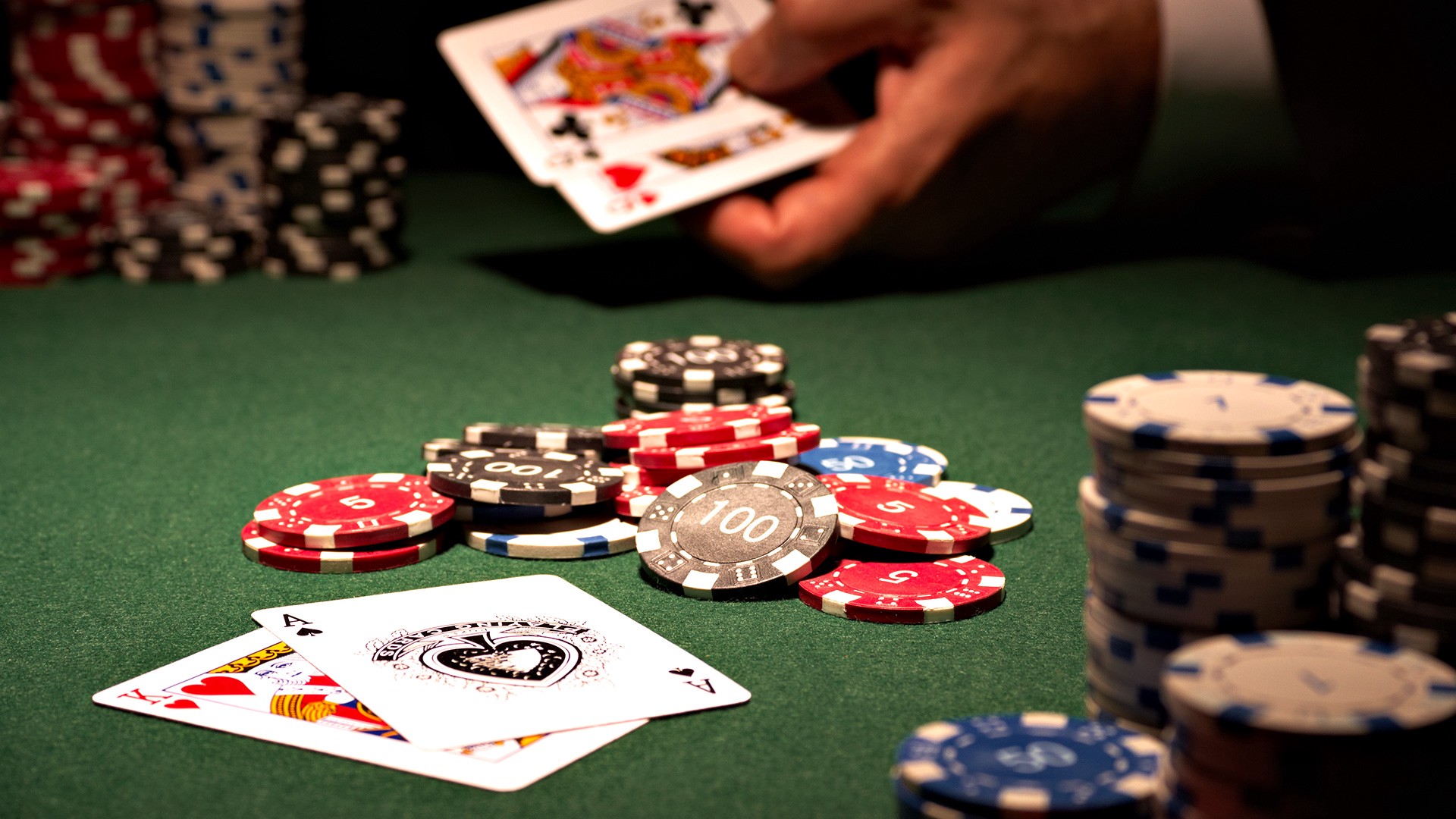
As players navigate the casino landscape, they often find themselves walking a fine line, hoping to leverage luck while simultaneously employing their understanding of strategy. This blending of attributes makes every gambling experience unique—each game holds the potential for both serendipitous victories and sudden losses. In this way, the relationship between skill and luck culminates in a dynamic environment where players are continually seeking that perfect balance. By acknowledging both elements, gamblers can cultivate a mindset that embraces the thrill of chance while still striving for informed decision-making.
The Psychology of Luck in Casinos
The psychology of luck significantly influences player behavior in casinos. The perception of luck varies from one individual to another, often shaped by personal experiences, cultural backgrounds, and beliefs. Players frequently attribute their wins to personal luck while blaming losses on unfavorable circumstances. This cognitive bias reinforces the notion that luck can be measured and controlled, leading to irrational betting patterns and behaviors. Understanding these psychological factors can provide insights into why players act the way they do in high-pressure situations.
Psychologically, individuals often engage in “loss chasing,” a behavior wherein they continue to gamble in hopes of recovering losses. This mindset is often fueled by the belief in a forthcoming lucky streak. Casinos capitalize on this psychology, using bright lights, sounds, and themes to create an immersive experience that amplifies players’ emotional responses. As anticipation builds, players become more invested in their outcomes, further entwining their sense of luck with their gambling success. The environment of a casino is designed to heighten these feelings, making it easy for players to become entranced by the lure of luck.
Moreover, this psychological dependency on luck can lead to various consequences. For some, it contributes to a healthy approach to gaming where one understands the risks involved. For others, it can spiral into compulsive behavior, overshadowing rational thought with impulsive betting. The intersection of psychology and luck highlights the importance of understanding how perceptions can affect decision-making within the high-stakes world of casinos, impacting the overall experience and outcome for gamblers. By fostering a more realistic understanding of luck, players can better manage their expectations and emotional responses during their gaming experiences.
Personal Stories of Luck and Success
Many casino-goers possess personal anecdotes of striking luck that amplify the allure of gambling. These stories, whether about hitting a progressive jackpot or experiencing an unexpected win, circulate within social circles, fueling the mythos surrounding luck in casinos. Such tales often become the stuff of legend, inspiring others to believe that if someone else achieved great success through luck, they too might be next in line for fortune. These narratives contribute to a community culture where luck is celebrated, further entrenching the idea that it can be quantified.
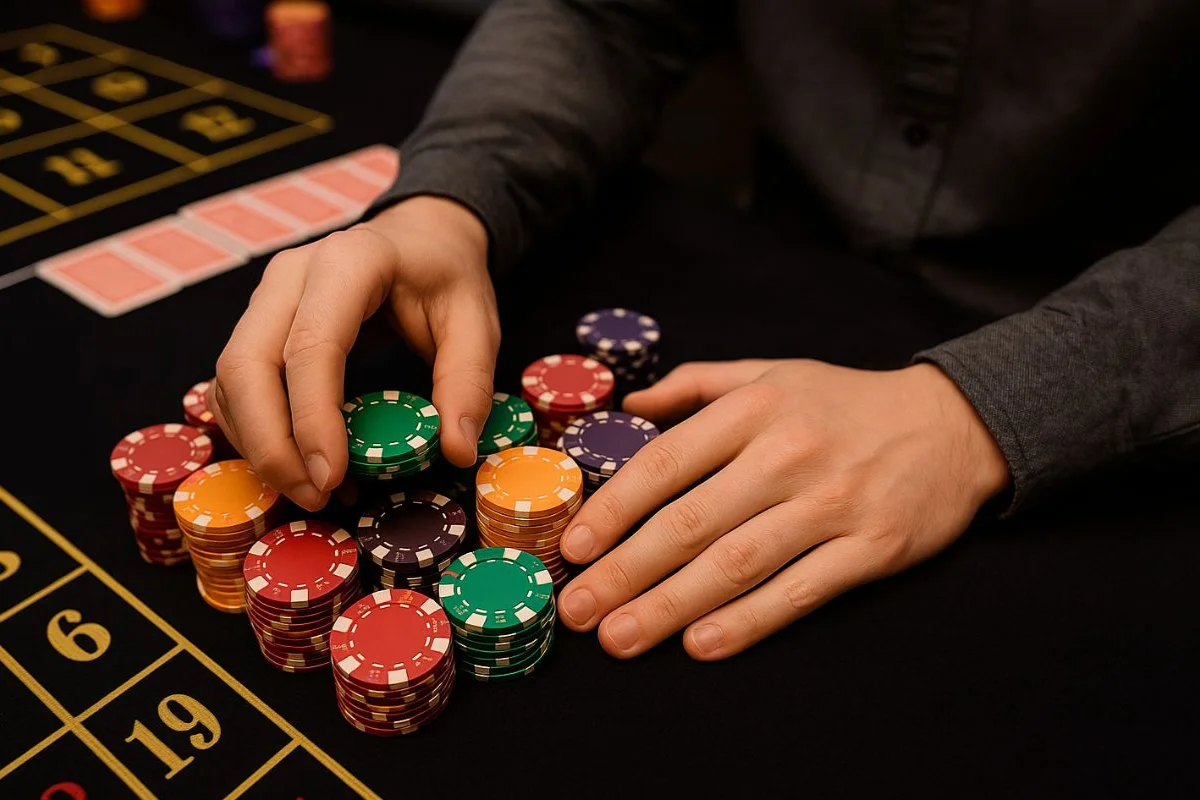
An example worth noting is the phenomenon of “hot” and “cold” tables in blackjack or roulette. A player might walk up to a table where others are winning, feeling the energy and excitement, convinced that luck permeates the environment. This perception can lead to increased betting and a sense of communal success among players. Stories of miraculous wins at specific tables only amplify this belief, reinforcing the idea that luck can be found, measured, and harnessed. However, it is essential to recognize that these experiences are largely anecdotal and do not reflect the underlying probabilities of the games.
However, while these stories provide entertainment and inspiration, they do not serve as a reliable gauge for predicting outcomes. It’s crucial for players to recognize the anecdotal nature of these experiences, understanding that gambling is ultimately a game of chance. Personal stories can motivate players, but they should simultaneously approach gambling with a pragmatic mindset and an awareness of the odds, as luck alone is often insufficient for sustained success. By blending personal narratives with a grounded understanding of probability, players can enhance their gaming experience while remaining realistic about their chances.
Your Source for Gambling Insights
For those intrigued by the complex interplay of luck and success in casinos, our website serves as a valuable resource. We aim to provide comprehensive insights into various aspects of gambling, including the psychology of players, strategies for game selection, and the mathematics behind the odds. By delving into these topics, we empower players to make informed decisions while navigating the casino landscape. Our goal is to equip individuals with the knowledge necessary to enhance their gaming experiences and to understand the factors that influence success.
Engaging with a community that shares a passion for understanding luck and skill can enhance your gaming experience. Our platform offers articles, expert opinions, and a space for users to share their personal experiences. This collaborative approach enriches the conversation about gambling and the factors that contribute to success, allowing players to learn from one another and foster a deeper understanding of the games they love. By creating a supportive environment, we encourage responsible gaming and informed decision-making.
Ultimately, our goal is to demystify the world of casinos, shedding light on how luck may factor into the bigger picture of gambling success. Whether you are a casual player or a serious gamer, we provide insights that can help enhance your gameplay and possibly improve your chances of success at the tables. Join us in exploring this captivating realm where luck may be a player, but strategy and knowledge remain essential currencies in the world of gambling. Together, we can navigate the fascinating interplay between chance and skill in the pursuit of casino success.